The Anatomy Of A Roof: Key Components Every Homeowner Should Know
A roof does far more than sit on top of a house. It acts as a complete system designed to shield your property from rain, wind, heat and debris while helping regulate indoor comfort. Many homeowners only think about their roof when a leak appears, yet every roof contains several components that must work together to keep a property protected.
Understanding how these parts function can help homeowners recognise early warning signs and make informed decisions about maintenance. For properties relying on roofing on the Central Coast, knowing the basic structure of a roof can make it easier to identify when repairs, restoration or inspections may be needed.
The Roof Covering: Your Home’s First Line of Defence Against the Elements
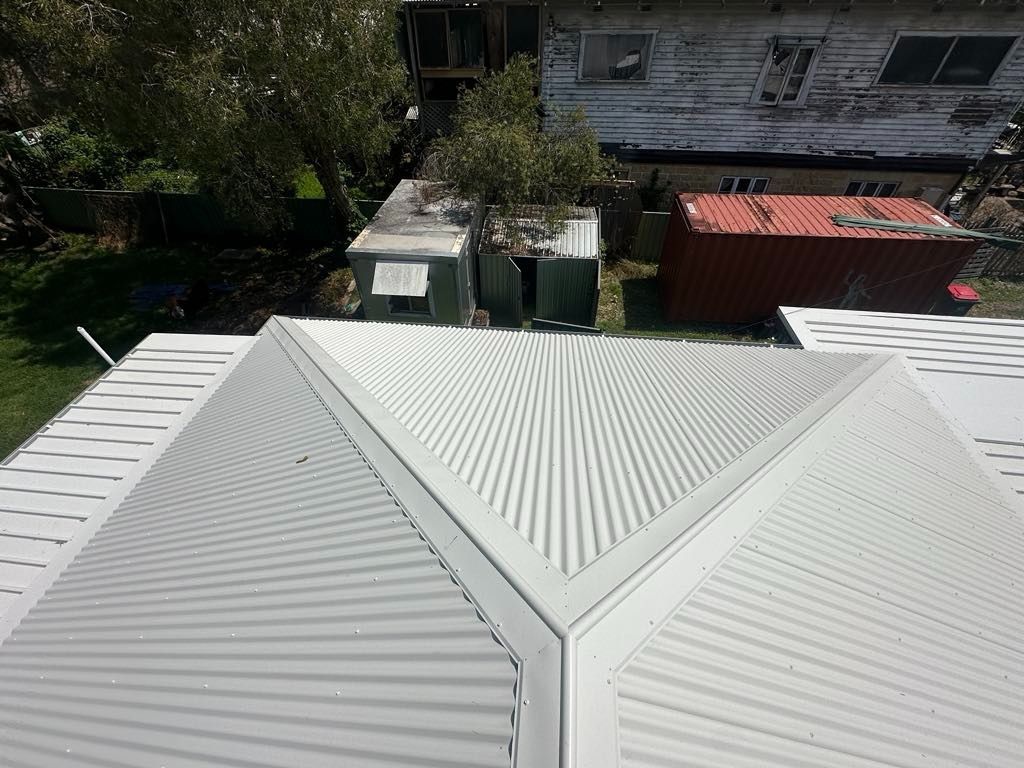
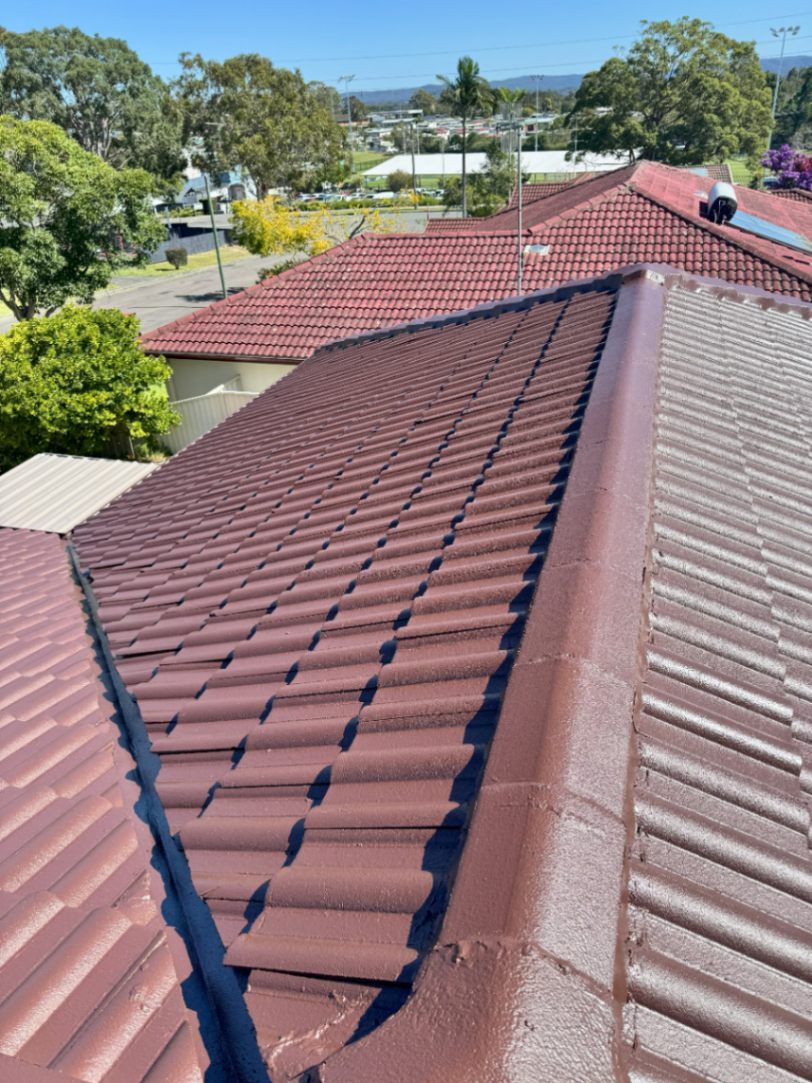
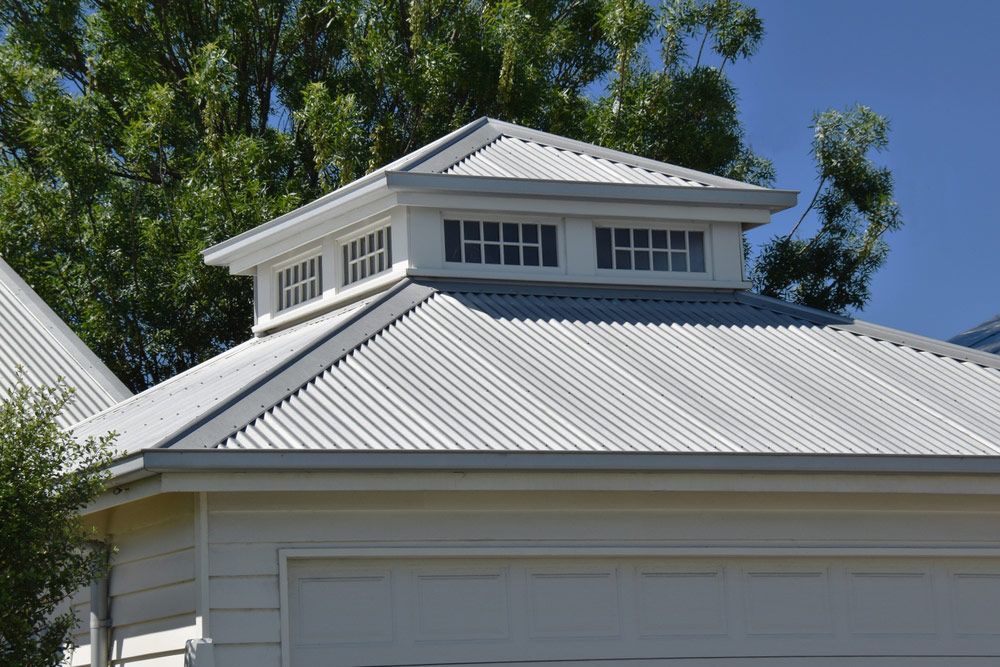
The roof covering is the most visible part of any roof and plays a critical role in protecting the property from the elements. Whether made from tiles, metal sheets or other materials, the covering acts as the first barrier against rain, sun exposure and wind. Over time, exposure to weather can cause gradual wear to roofing materials. Even small defects in the covering can allow water to enter the roof cavity, potentially leading to internal damage.
Common signs that roof coverings may require attention include:
- Cracked or broken roof tiles
- Rust patches forming on metal roofing
- Loose or displaced roofing sections
- Accumulated debris affecting drainage
- Discolouration or deterioration of surface coatings
Addressing issues with the roof covering early can help maintain the protective performance of the entire roofing system.
Underlay & Waterproof Barriers: The Hidden Protection Beneath Your Roof
Beneath the outer roofing material lies another important layer known as the underlay or sarking. Although it is not visible once the roof is installed, this material plays a valuable role in protecting the home from moisture intrusion. Underlay acts as a secondary barrier that helps prevent water from entering the roof cavity if rain passes beneath the outer covering. It also helps regulate condensation and can contribute to improved insulation performance.
Key functions of roof underlay include:
- Acting as an additional moisture barrier beneath roof coverings
- Reducing the risk of leaks during heavy rain or storms
- Assisting with temperature regulation inside the roof space
- Helping prevent condensation from forming on internal surfaces
- Supporting overall roof durability during restoration projects
During roof restoration or repairs, damaged or deteriorated underlay may need replacement to maintain effective protection.
Flashing: The Small Component That Prevents Major Leaks
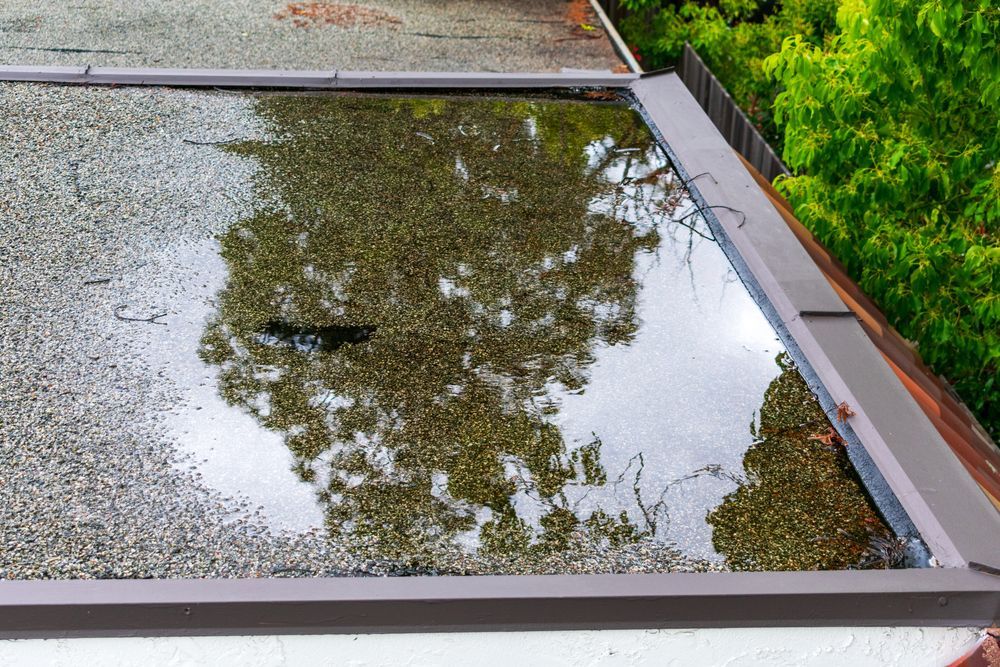
Flashing is one of the most important yet often overlooked elements of a roof. Installed around areas where the roof surface meets other structures, flashing helps seal vulnerable joints and prevent water entry. These areas include roof penetrations such as chimneys, skylights, vents and intersections between roof sections. Because these points involve changes in the roof surface, they are more susceptible to leaks if not properly sealed.
Flashing problems can occur due to ageing materials or movement in the roof structure. Warning signs may include:
- Rust or corrosion on metal flashing
- Lifting or loose flashing edges
- Visible gaps around roof penetrations
- Water stains near chimneys or skylights
- Cracked sealant around flashing joints
Professional roof repairs can help restore proper sealing in these vulnerable areas.
Gutters & Downpipes: Managing Water Flow Away from Your Home
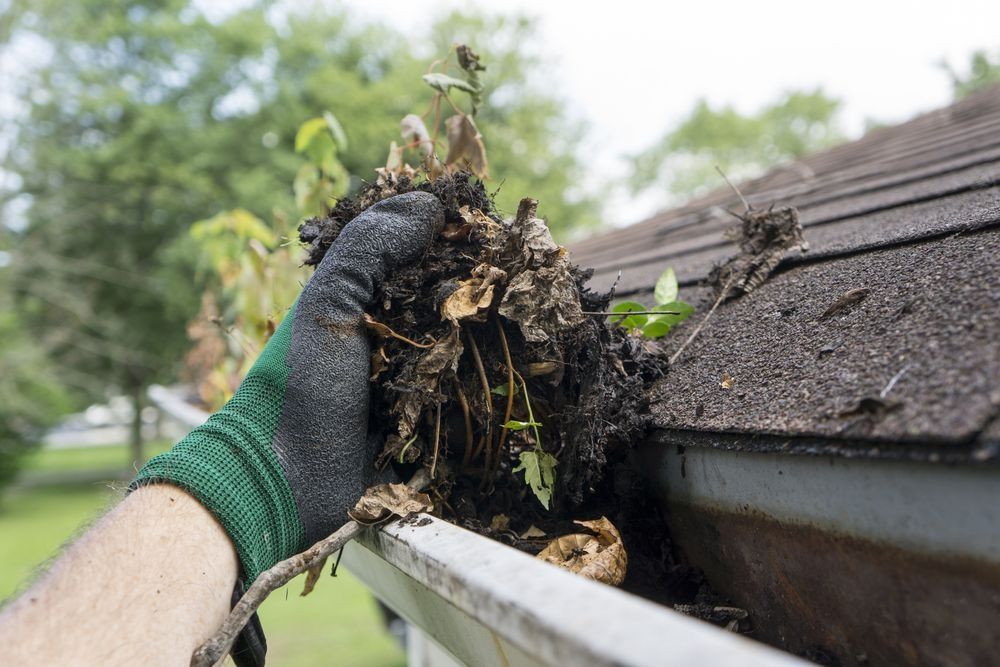
While gutters and downpipes are technically separate from the roof surface, they play a vital role in the overall roofing system. Their primary purpose is to collect rainwater and direct it safely away from the building. Without functioning gutters and downpipes, rainwater can overflow and run down walls, potentially causing foundation problems or internal water damage. Regular inspection and maintenance can help ensure the drainage system continues to operate efficiently.
Homeowners should watch for:
- Leaves & debris blocking gutter channels
- Sagging or misaligned gutters affecting water flow
- Downpipes that discharge water too close to the foundation
- Rust or cracks forming in older gutter systems
- Overflow marks after heavy rainfall
Keeping gutters clear helps support the overall performance of roofing on the Central Coast, particularly during periods of heavy rain.
Roof Ventilation: Why Airflow Matters for Roof Health
Ventilation is another critical element of a healthy roof structure. Proper airflow within the roof cavity helps regulate temperature and manage moisture levels. Without adequate ventilation, warm air can become trapped in the roof space. This may lead to condensation, mould growth or premature deterioration of roofing materials. Effective roof ventilation systems help maintain balanced airflow and protect both the roof and the interior of the home.
Signs that ventilation may need improvement include:
- Excessive heat in roof spaces during warmer months
- Moisture or condensation forming under roofing materials
- Musty odours inside the roof cavity
- Mould appearing on roof framing or insulation
- Higher indoor temperatures during hot weather
Improving ventilation can contribute to a longer roof lifespan and better indoor comfort.
Insulation & Roof Structure: Supporting Comfort & Structural Strength
The roof structure includes components such as rafters, battens and insulation layers that support the outer roofing materials and contribute to indoor climate control. These structural elements carry the weight of the roof while helping distribute loads evenly across the building. Insulation installed within the roof cavity helps regulate indoor temperatures by reducing heat transfer. Over time, structural components may experience wear due to weather exposure or ageing materials.
Issues that may affect roof structure or insulation include:
- Sagging roof sections caused by weakened supports
- Damaged battens affecting roof tile alignment
- Insulation deterioration reducing energy efficiency
- Pest activity within the roof cavity
- Moisture damage to timber framing
Roof restoration projects sometimes involve addressing these hidden components to restore structural integrity.
Common Signs That Roof Components May Need Repairs
Because many roofing components are not easily visible from the ground, problems can develop gradually before becoming obvious. Recognising early warning signs can help prevent larger repair issues later. Homeowners often notice symptoms inside the home before identifying the external cause. These signs can indicate that one or more roof components require professional attention.
Common indicators of roof problems include:
- Water stains appearing on ceilings or walls
- Dripping or moisture after heavy rain
- Missing, cracked or displaced roof tiles
- Rust patches developing on metal roofing
- Persistent debris accumulation in gutters
When these issues appear, professional inspections can determine whether roof repairs or restoration work is required.
How Regular Roof Inspections Help Protect Your Property
Routine inspections are one of the most effective ways to protect the long-term condition of a roof. Even well-constructed roofing systems benefit from periodic assessment to identify wear before it develops into structural damage. Professional inspections typically involve checking roof coverings, flashing, drainage systems and structural components for early signs of deterioration.
The benefits of regular roof inspections include:
- Detecting minor issues before they become costly repairs
- Extending the lifespan of roofing materials
- Identifying drainage or ventilation problems
- Maintaining overall roof performance
- Supporting preventative maintenance planning
Regular inspections play an important role in keeping the roofing system functioning effectively and reducing unexpected repair costs.
Protecting Your Roof Through Proper Care
Understanding the components that make up your roof can help you identify potential issues early and maintain your home more effectively. From roof coverings and flashing to ventilation and drainage systems, each element contributes to the overall performance of the roofing structure. At Norwest Roof Restorations, we assist homeowners with roof inspections, repairs and restoration services to help maintain the integrity of their roofing systems.
If you’ve noticed signs of wear or want to better protect your property from weather-related damage common to the region, contact our team to arrange an inspection or discuss your roof maintenance needs.