
Colorbond Roofing on the Central Coast
- Steel Grade Matched to Your Distance From the Surf
- Suitable for BAL-FZ Bushfire Zones
- New Roofs, Re-Roofs & Storm-Damaged Sheets
Request a Free Quote
Contact Us
Thank you for contacting Norwest Roof Restorations.
We will get back to you as soon as possible.
Oops, there was an error sending your message.
Please try again later.
Request a Free Quote
Contact Us
Thank you for contacting Norwest Roof Restorations.
We will get back to you as soon as possible.
Oops, there was an error sending your message.
Please try again later.
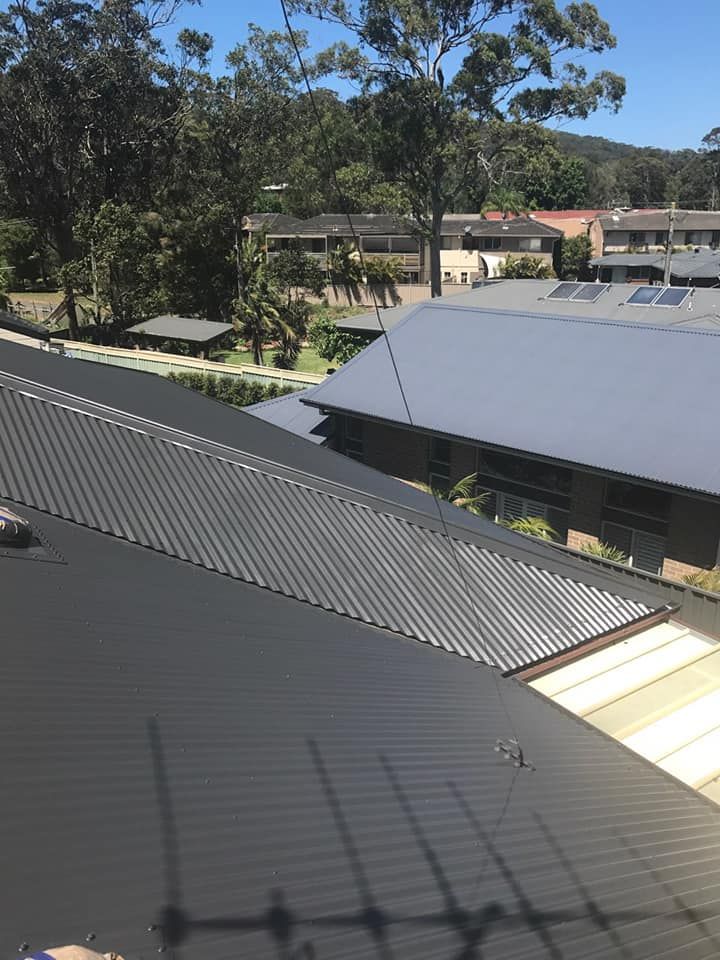
Central Coast Colorbond Roofing
Colorbond roofing on the Central Coast needs to suit the home, its surroundings and the conditions it faces. At Norwest Roof Restorations, we install Colorbond, BlueScope’s pre-painted steel, on new roofs, re-roofs and storm repair projects.
Whether you’re choosing roofing for an extension, replacing an ageing roof or dealing with damaged sheets, we assess what’s needed and explain your options. Our work includes selecting suitable steel grades, profiles and colours, along with the flashings and fixings that complete the installation.
Call 0416 117 740 for a free quote and advice on Colorbond roofing for your Central Coast home or property.
Which Colorbond Steel Suits Your Distance from the Surf
The right Colorbond steel depends partly on how close your home is to salt water and how exposed it is to salt spray. Breaking surf at Terrigal or The Entrance creates different conditions from sheltered water at Tuggerah Lake, Brisbane Water or Lake Macquarie.
Standard Colorbond suits many locations, while more exposed sites may need Colorbond Ultra or Superdura Stainless. BlueScope’s distance guide provides a starting point, but wind direction, elevation and shelter also influence the choice. We assess the property’s conditions before recommending roofing materials, rather than selecting a grade on distance alone.
Homes beside sheltered saltwater lakes, bays and estuaries can experience salt exposure without ocean spray. The appropriate steel grade should be confirmed for the site, especially where the roof has areas sheltered from rainfall.
Fasteners must suit both the roofing material and the location. Suitable sheets with unsuitable fixings can leave the installation vulnerable to corrosion. Flashings and other metal components also need to work together as part of the roofing system.
Regular washing helps prevent salt and grime building up where rain cannot reach. Wash sheltered areas, including the undersides of eaves, exposed gutters and patio roofing, with fresh water every six months, or every three months where salt spray is prevalent. Avoid abrasive scourers and solvent cleaners, follow the product’s care instructions and arrange safe access where needed.
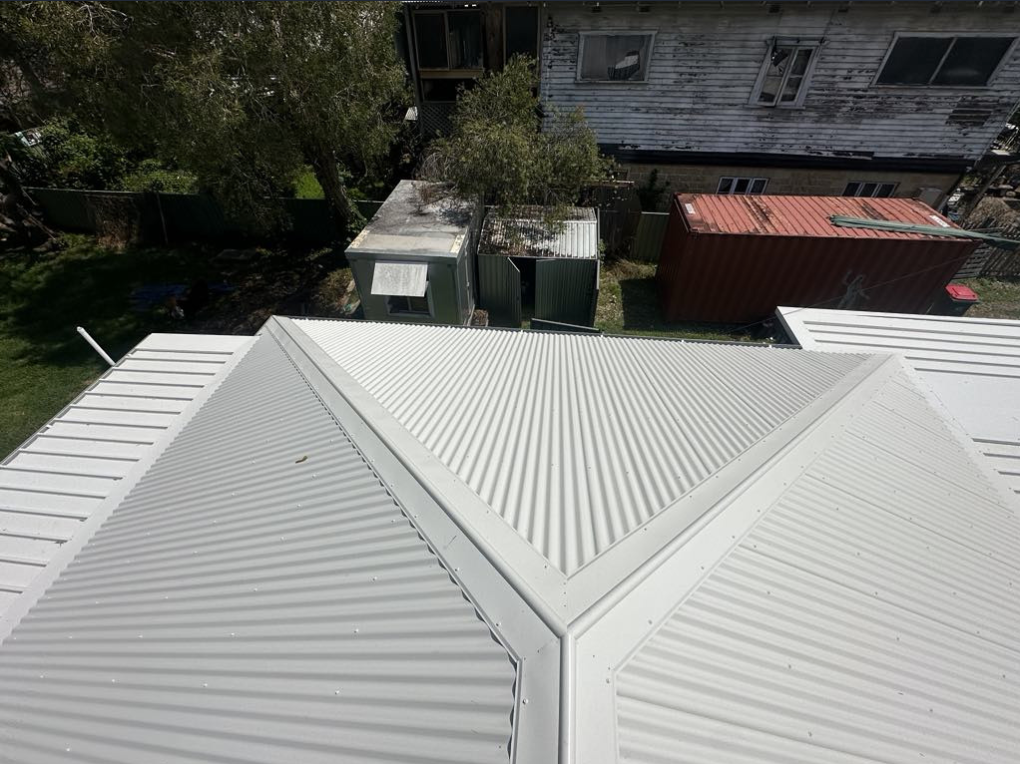
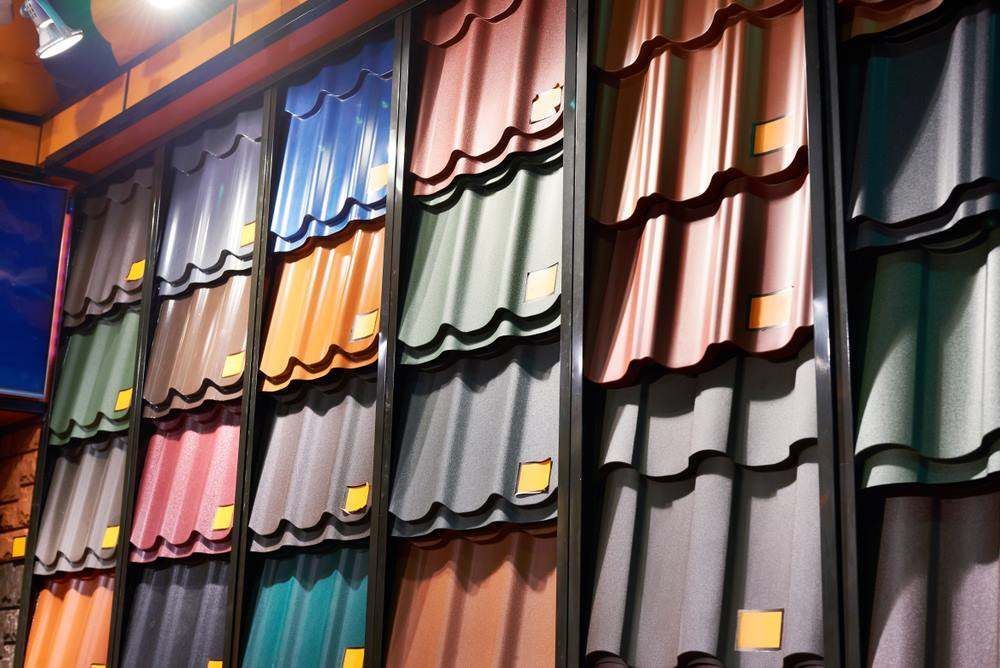
You don’t need to identify the grade yourself. We can explain the options and ongoing care involved. Contact Norwest Roof Restorations to discuss Colorbond and metal roofing suited to your Central Coast home and its coastal surroundings.
| Distance From Breaking Surf (Terrigal & The Entrance) | Distance From Calm Water (Tuggerah Lake, Brisbane Water & Lake Macquarie) | Recommended Steel |
|---|---|---|
| More than 200 metres | Site assessment | Standard Colorbond |
| 100 to 200 metres | Site assessment | Colorbond Ultra |
| Within 100 metres | Site assessment | Superdura Stainless |
Profiles, Weight & Heat on a Colorbond Roof
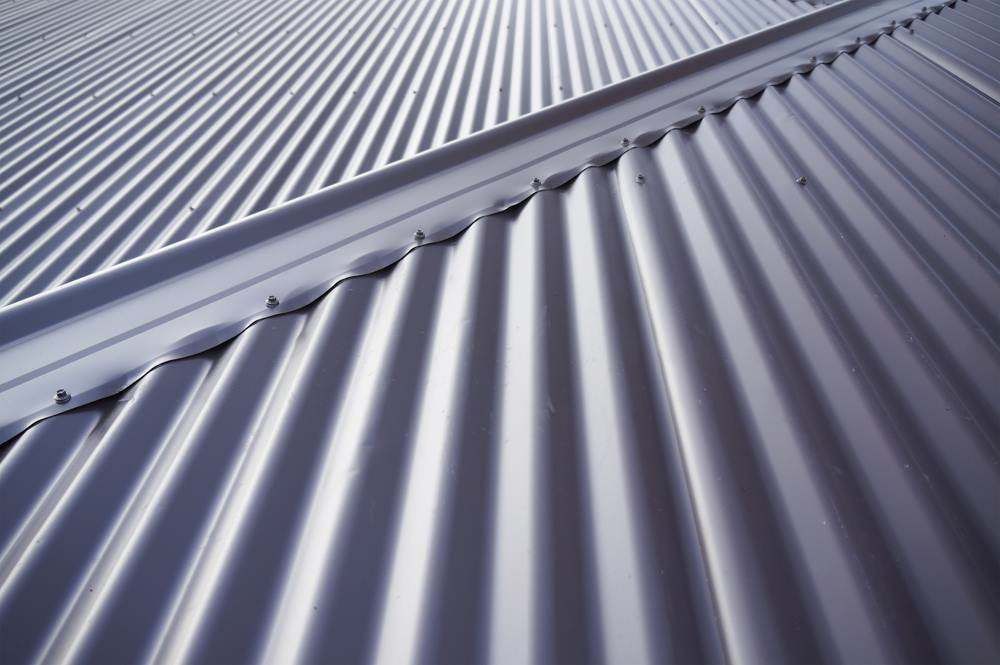
The profile of a metal roof affects its appearance, the pitch it suits and how it is installed. Custom Orb is a corrugated profile associated with Australian roofing. In 0.42 mm steel, it weighs approximately 4.35 kg/m² and suits roof pitches from 5°, subject to the manufacturer’s installation requirements. Other profiles have different specifications, so the choice needs to suit your roof’s design.
Colorbond is much lighter than concrete tiles, reducing the weight of the covering on the supporting frame. However, the battens, fixings and connections still need to suit the roof system and local conditions. Low weight does not remove the need to assess an older frame before replacing its covering.
Colour also influences how much sunlight a roof absorbs. Thermatech technology, available in many Colorbond colours, helps reflect more of the sun’s energy and reduce solar heat absorption. It does not replace insulation or guarantee a particular indoor temperature. Your home’s orientation, ventilation and construction also affect comfort.
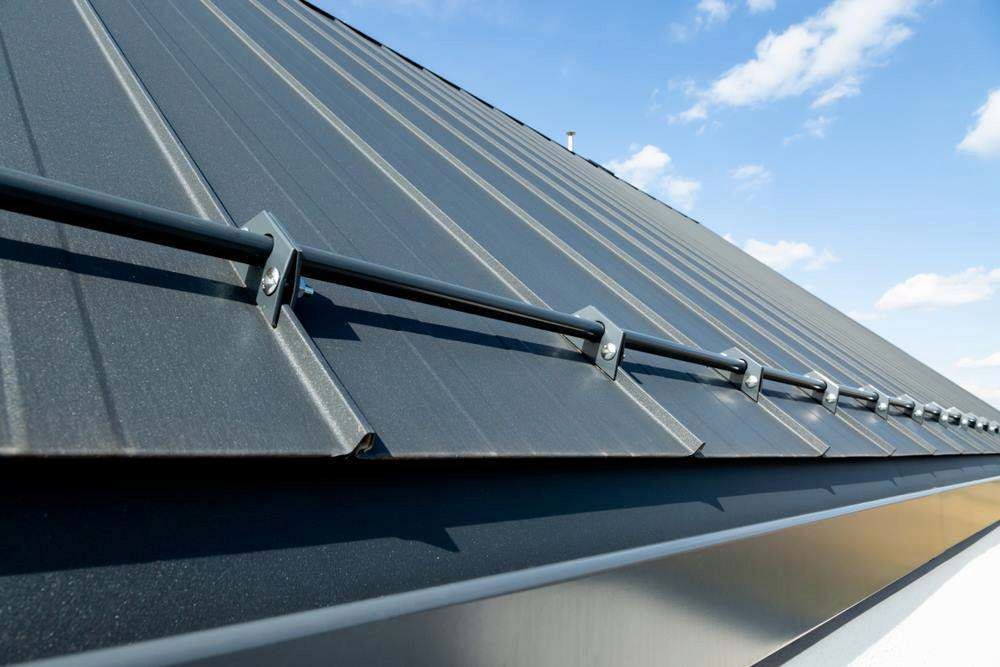
Insulation and sarking matter alongside colour. Insulation slows heat transfer, while suitable sarking beneath the sheets helps manage moisture and can provide a reflective thermal barrier. Their performance depends on correct product selection and installation. Our roof insulation service can help you understand the options when planning roofing work.
Colorbond can form part of a roof system suitable for BAL-FZ bushfire areas, provided the complete construction meets the applicable requirements. The sheets alone do not establish compliance.
Contact Norwest Roof Restorations to discuss profiles, colours and insulation suited to your home.
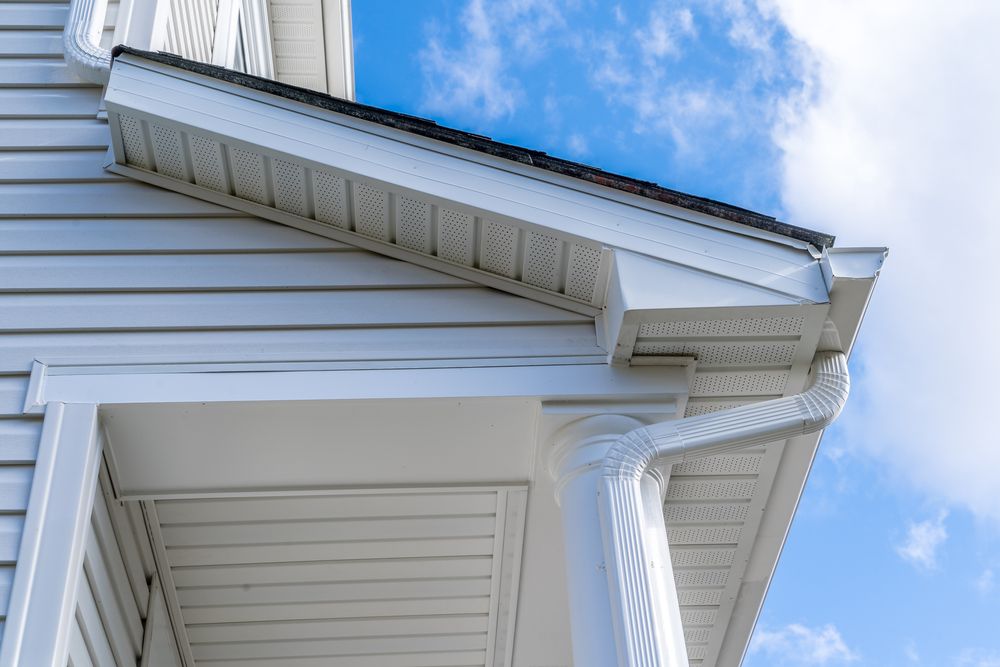
Central Coast Colorbond Fascia
There’s something timeless about timber fascia. It gives your home a warm, classic finish that metal alternatives just can’t replicate. But like all timber features, it needs proper care to stay strong and good-looking. At Norwest Roof Restorations, we repair and replace timber fascia for homes right across the Central Coast, helping you keep that traditional charm without compromising on function.
Whether it’s cracked, rotting, or coming away from the roofline, we’ll inspect the damage, use quality treated timber for replacements and get your fascia looking like new again. If you’re renovating or extending, we can also install timber fascia to match your existing structure, so the result blends in perfectly.
Need help restoring your timber fascia? Call 0416 117 740 today to book your free quote and expert assessment.
Frequently Asked Questions
Does Colorbond roofing get hot in summer?
Like other roofing materials, Colorbond heats up in direct sunlight. Colour influences how much heat it absorbs, while Thermatech technology in many Colorbond colours helps reflect more of the sun’s energy. However, the roof covering is only one part of the picture. Insulation, ventilation, roof orientation and the home’s construction all affect temperatures indoors. Choosing a suitable colour alongside properly installed insulation can help manage heat transfer into the rooms below.
How should I clean my Colorbond roof?
Areas naturally washed by rain generally need less attention than sheltered sections where salt and grime accumulate. Wash sheltered areas with fresh water every six months, or every three months where salt spray is prevalent. Use a soft cloth, sponge or soft-bristled brush where needed, avoiding abrasive scourers and solvent cleaners. Follow the product’s maintenance instructions and arrange safe access for elevated areas. Cleaning also provides an opportunity to spot corrosion, damaged sheets or failing fasteners that need professional attention.
Can Colorbond roofing be painted?
Yes, provided the roof is suitable for recoating and the coating system is specifically designed for pre-painted metal. Preparation includes cleaning, treating surface rust and addressing damaged areas before compatible primers and topcoats are applied. Paint cannot repair rusted-through sheets or failing fasteners; these may need replacement first. A roof assessment helps establish whether recoating is appropriate or repairs are needed. Results depend on the existing surface, preparation, coating system and ongoing exposure.
Is Colorbond roofing suitable for bushfire-prone areas?
Colorbond can form part of a roofing system suitable for bushfire-prone properties, including BAL-FZ, the highest Bushfire Attack Level. Suitability depends on the complete roof construction meeting the applicable requirements, rather than the sheets alone. Gaps, junctions, penetrations and supporting components all need consideration to limit ember entry and meet the specified construction standard. The property’s bushfire assessment and building requirements should guide the roof design, materials and installation details.
Is Colorbond Ultra worth considering near the beach?
Colorbond Ultra is designed for more demanding coastal conditions and may be appropriate where standard Colorbond is unsuitable for the level of salt exposure. Distance from breaking surf matters, but prevailing winds, elevation and sheltered areas also influence selection. Properties beside saltwater lakes and estuaries need consideration too. For very exposed beachfront sites, a different material may be recommended. A site assessment helps establish the appropriate grade, compatible fasteners and maintenance requirements before the roof is installed.


