
Roof Replacement Central Coast
- Around a Tenth of the Weight of Concrete Tiles
- Colorbond Grade Selected for Your Coastal Location
- Solar Panel Removal & Refit Included
Request a Free Quote
Contact Us
Thank you for contacting Norwest Roof Restorations.
We will get back to you as soon as possible.
Oops, there was an error sending your message.
Please try again later.
Request a Free Quote
Contact Us
Thank you for contacting Norwest Roof Restorations.
We will get back to you as soon as possible.
Oops, there was an error sending your message.
Please try again later.
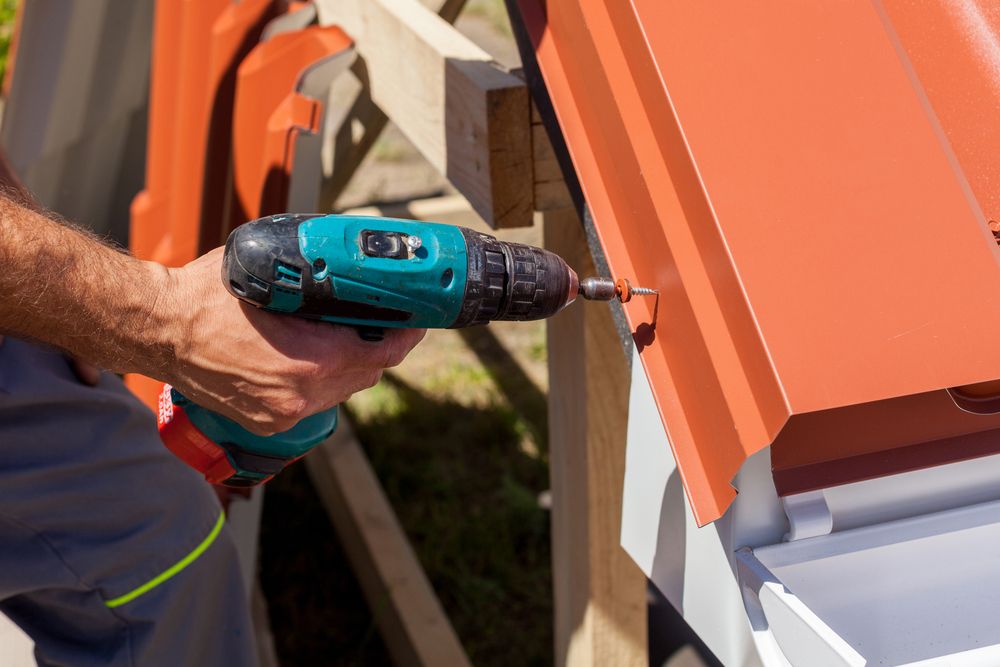
Central Coast Roof Replacement
Roof replacement gives your home a new covering when restoring the existing roof no longer makes sense. At Norwest Roof Restorations, most roof replacements on the Central Coast involve tile-to-metal roof replacement using Colorbond metal roofing.
Widespread tile damage, recurring problems or deteriorated materials can make replacement a more practical option than another restoration. We inspect your roof, explain what needs attention and coordinate the conversion, including preparation, installation and any solar panel work.
You can choose a colour and profile suited to your home and coastal conditions. Call 0416 117 740 to arrange your free inspection and quote.
How a Tile to Metal Conversion Runs on Your Home
What’s involved in swapping tiles for Colorbond? Here’s how Norwest Roof Restorations takes your roof from the first inspection through to the finished conversion.
1. Quote & Contract
We inspect your roof, discuss the proposed Colorbond covering and provide a quote outlining the work. Before starting, we confirm the contract, access arrangements and how any solar panels will be managed. You can ask questions about the scope, materials and timing so the agreed work is clear before commencement.
2. Solar Panel Removal
Where panels are fitted, their removal is coordinated before the tiles come off. The electrical work needs appropriately licensed tradespeople, with arrangements made for handling and storing the panels during the conversion.
3. Removing the Tiles
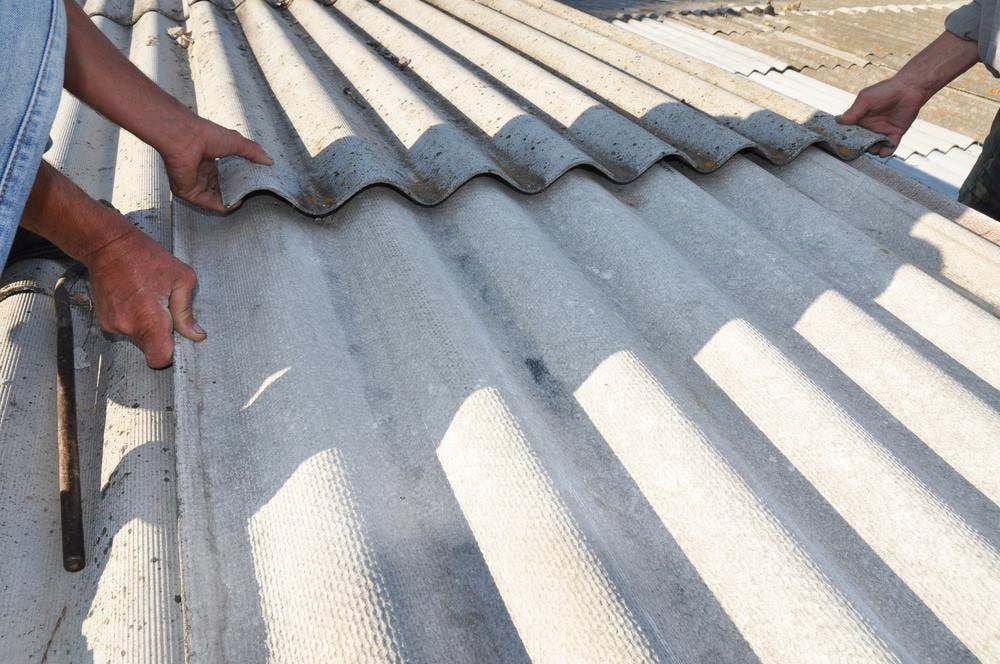
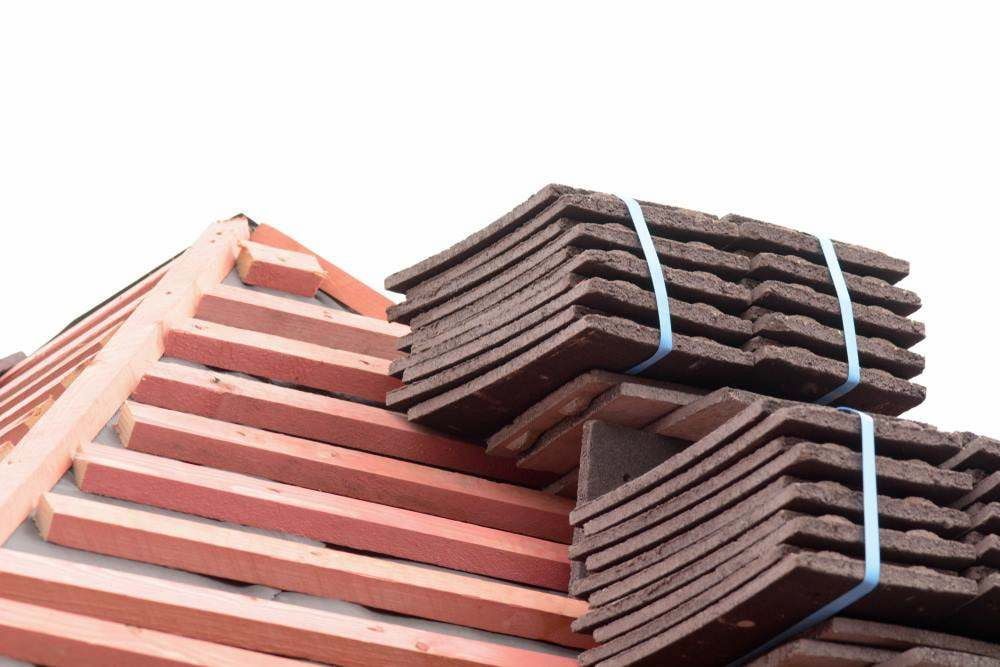
The existing tiles and ridge capping are stripped away to expose the supporting battens. Removal is staged around weather conditions and site safety, with the old roofing materials collected for disposal.
4. Checking Battens & Framing
With the covering removed, the battens and frame can be checked for deterioration or damage. Necessary repairs, changes to batten spacing and fixing requirements are addressed before the new roof goes on.
5. Installing Sarking or Insulation
Sarking or an insulation blanket is laid beneath the new sheets, as specified for the roof system. These products serve different purposes, so the selection considers moisture management, thermal performance and installation requirements.
6. Fitting the Colorbond Roof
New sheets, flashings and ridge capping are fitted and secured. Flashings direct water away from joins and roof penetrations. This installation involves roof plumbing work, carried out by appropriately licensed tradespeople in NSW.
7. Reinstalling Solar Panels
Once the roof is ready, the solar panels are refitted using suitable mounting components. Electrical reconnection and system checks are coordinated with the appropriately licensed solar team before the system returns to service.
8. Clean-up & Final Check
We remove leftover materials, tidy the site and check the completed work.
Give us a call for more detail, or to arrange your free quote.
Frequently Asked Questions
How much does a new Colorbond roof cost?
The cost depends on the roof’s area, pitch, complexity and access, along with the steel grade, profile and insulation specified. Removing old tiles, repairing deteriorated battens and replacing flashings also affect the scope. If solar panels are fitted, the quote should account for their removal, suitable mounting brackets and reinstallation once the new roof is ready. An inspection helps identify these requirements so you can understand what’s included.
How long does Colorbond roofing last near the coast?
There isn’t one lifespan that applies to every coastal Colorbond roof. Performance depends on the steel grade, proximity to breaking surf or sheltered waterways, installation and ongoing maintenance. Sheltered areas can collect salt because rain doesn’t wash them naturally, making regular cleaning important. BlueScope’s warranty terms also vary according to the product, location and application. Choosing suitable materials and following the relevant maintenance guidance helps protect your roof, but a warranty should never be treated as a lifespan guarantee.
Can my existing roof frame support a metal roof?
Metal roofing is considerably lighter than concrete tiles, but that doesn’t mean every existing frame is ready for a conversion without further work. The frame, battens, connections and fixing requirements need assessment, with deterioration or damage addressed before installation. Older properties may also have asbestos-containing fibro eaves or sheeting. These materials need assessment before disturbance, and SafeWork NSW prohibits high-pressure water cleaning of asbestos-containing materials. Any asbestos work must be planned separately using appropriate safety procedures.
Is converting from tiles to Colorbond worth it?
A conversion may be worthwhile when tiles are widely damaged, repeated repairs are becoming impractical or you want to change the roof’s appearance and maintenance requirements. Colorbond reduces the weight of the roof covering and offers a choice of colours and profiles. However, a tiled roof that remains sound may only need repairs or restoration. The decision should consider its condition, the work required and your plans for the property. An inspection helps you compare the options.
Do I need home building compensation insurance for a roof replacement?
For residential roofing work in NSW valued at more than $20,000, including GST, home building compensation cover is generally required, subject to applicable exemptions. Where required, the contractor must provide the certificate before taking payment, including a deposit, or starting work. NSW residential building deposits are capped at 10% of the contract price. Before proceeding, check that your contract clearly sets out the work, payment stages and required cover, and ask your contractor to explain anything you’re unsure about.


