How Blocked Gutters Can Damage Your Roof
Blocked gutters can damage your roof when trapped rainwater overflows or backs up towards the roof edge. What starts as a build-up of leaves and bark can eventually affect fascia boards, eaves and ceilings. For homeowners researching roofing on the Central Coast, gutter maintenance is an important part of protecting the whole property.
The problem often develops between downpours. Debris collects, settles and blocks outlets while the weather is dry. When heavy rain arrives, the gutter has less room to carry water and fewer clear paths for it to escape.
We recommend paying attention to what happens around your roofline before an obvious leak appears. A recurring overflow, loose gutter or stained eave can give you an opportunity to address the cause before moisture damage spreads.
From Fallen Leaves to Blocked Downpipes
Leaves, twigs, bark and dirt can accumulate along gutter channels or gather around downpipe openings. Larger pieces catch smaller material, gradually forming a blockage that slows drainage. Wet debris can then settle into a compact layer rather than washing away with the next shower.
For example, a strip of bark caught across an outlet may collect leaves behind it. Although much of the gutter remains clear, that one obstruction can stop water leaving efficiently. Cleaning needs to address the outlet as well as the visible material along the channel.
The main places to check include:
- Corners where debris gathers
- Downpipe openings
- Sections beneath overhanging branches
- Areas holding sludge or standing water
How Overflow Reaches Your Roof
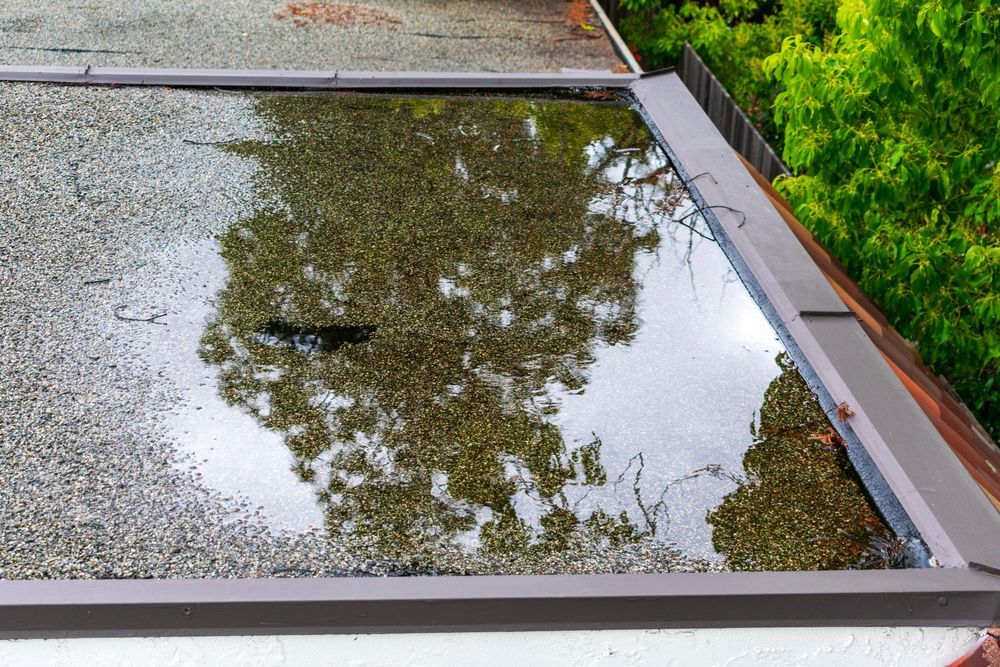
Rainwater should travel from the roof into the gutters, through the downpipes and away from the building. When that path is obstructed, the gutter fills and water may spill over its edges. Depending on the roofline and gutter arrangement, overflow can run down the outside or reach behind the gutter.
With blocked gutters, roof damage can begin where backed-up water reaches the lower edge of tiles or sheets. Moisture may soak fascia boards and eaves or find a path into the roof cavity. Internal staining can appear later, once water has travelled beyond its original entry point.
During rain, notice whether:
- Water spills from one recurring section
- Overflow runs against the fascia or wall
- Nearby eaves develop damp marks
- Ceiling stains appear after the same rainfall events
What Prolonged Moisture Does to Timber
Timber around the roofline needs protection from persistent dampness. Repeated overflow can keep fascia boards wet, particularly where paint has deteriorated or timber is exposed. Over time, ongoing moisture can contribute to decay and weaken affected sections.
Damage may remain near the gutter, or extend into rafters and wall framing if those materials are repeatedly exposed. Damp roof cavities and wall spaces can also develop mould, making it important to address the water source rather than simply cover visible marks.
Maintenance for roofing on the Central Coast should consider the condition of surrounding materials. Watch for:
- Peeling paint along fascia boards
- Swollen or deteriorating timber
- Staining beneath the roof edge
- Gutters separating from their supports
Clearing a blockage restores drainage, but timber already damaged may still need repair or replacement.
The Cost of Leaving It
A blocked gutter can become more than a cleaning job when overflow continues through several periods of rain. Water-damaged ceilings, deteriorated fascia and affected framing may all require separate repairs. Repainting alone will not resolve an active leak or restore decayed timber.
Wet debris and retained water also add weight to the guttering. If sections sag or pull away, drainage can deteriorate further because water collects in the low points. Meanwhile, repeated overflow beside the house may wash away soil or leave water pooling near its base.
Other reasons to deal with accumulated debris include:
- Dry leaf litter providing fuel during bushfire conditions
- Birds, insects or rodents nesting around the roof edge
- Moisture damage spreading beyond its initial location
Early attention can reduce the chance of a manageable maintenance issue becoming a broader property repair.
Warning Signs Beyond a Ceiling Stain
You do not need an internal leak to know your gutters need attention. Leaves protruding from the channel, plants growing along the roof edge or water cascading over the sides during rain are visible reasons to arrange a check.
Other signs are less obvious. Dark streaks on external walls, peeling paint beneath the gutter and persistent dampness around eaves may indicate repeated overflow or leakage. Sagging sections and loose guttering also warrant attention, even when there is little visible debris.
From a safe position on the ground, look for:
- Vegetation or sticks above the gutter edge
- Dipping sections or gaps along the fascia
- Water marks below corners and joints
- Damp patches or bubbling finishes indoors
These clues help identify where to investigate. They do not establish the cause on their own, as roof leaks and gutter defects can produce similar signs.
Trees Leave Different Types of Debris
The trees around a home influence what collects on its roof. Gum trees can shed bark, leaves and gumnuts, while banksias contribute woody material and leaves. Pines add finer debris that can gather in corners or become mixed through an existing blockage.
The size of the material matters. Bark and larger pieces may lodge near outlets, creating a catch point for smaller debris. Fine material can settle into sludge, making a gutter look less obstructed than it actually is. A roof beneath branches may need more frequent checks because fresh material keeps arriving.
When planning gutter care, consider:
- Which branches extend over the roof
- Whether bark or fine debris is the main problem
- How quickly gutters refill after cleaning
- Whether material collects on gutter guards
Two Storeys Can Hide the Problem
Upper-level gutters are harder to see from the ground, so blockages may remain unnoticed longer. On homes where an upper roof drains towards a lower roof section, overflowing water can also place extra demand on the lower guttering.
A hypothetical example is an upper gutter blocked with compacted leaves. During a downpour, water spills onto the roof below, adding to the rainfall that lower gutters already need to carry. Cleaning only the lower gutter may leave the original problem unresolved.
For Central Coast roofing, checks on double-storey properties need to account for the complete roof layout. Important considerations include:
- Upper gutters that cannot be inspected from ground level
- Lower roof sections receiving additional runoff
- Safe access to each gutter run
- Blockages affecting more than one level
Single-storey homes also involve work at height. Arrange professional assistance where safe inspection or cleaning is beyond your reach.
Keep Gutter Care on the Calendar
Regular cleaning helps keep rainwater moving and creates opportunities to identify loose sections, deterioration or recurring drainage problems. The right timing depends on debris accumulation, nearby trees and recent weather. Check after storms or heavy leaf fall, rather than waiting for overflow to become routine.
Gutter guards can reduce some debris entering the channel, but they still need attention. Material can collect on top, and finer debris may get through. Outlets and downpipes also need to remain clear for the system to work.
A practical maintenance routine should include:
- Removing accumulated debris
- Checking gutters and downpipes for obstructions
- Looking for sagging, loose sections and damage
- Following up on recurring overflow or leaks
Preventing roof damage from blocked gutters means maintaining drainage and dealing with damage already present. Cleaning is worthwhile, but persistent problems need assessment to establish whether gutter repairs, roof repairs or broader restoration work are appropriate.
Here at Norwest Roof Restorations, we help with roofing on the Central Coast, including roof repairs, roof restoration and gutter maintenance. If your gutters are overflowing or you’ve noticed signs of water damage, contact us to arrange a free inspection and quote. Contact us when your roof needs attention; we can assess the roofline, explain what needs attention and help you plan the work.
Frequently Asked Questions
Can gutters become blocked when there are no trees over the house?
Yes. Wind can carry leaves, bark and fine debris from surrounding properties onto the roof. Dirt can also accumulate in gutter channels and mix with smaller material to restrict drainage. A clear space above the roof reduces one source of debris, but it does not remove the need to check gutters and downpipe openings.
Should gutter problems be addressed before a roof restoration?
Recurring overflow or damaged guttering should be assessed when planning a roof restoration. Restoring the roof surface does not clear a blocked downpipe or repair a sagging gutter. Identifying drainage issues beforehand helps establish the full scope of work and whether gutter or fascia repairs need to be coordinated with the restoration.
What information should a property manager collect about overflowing gutters?
Record which section overflows, when it happens and whether tenants have noticed indoor dampness or staining. Photographs taken safely from the ground, together with dates of previous cleaning or repairs, can help the contractor investigate. Note whether the problem returned after maintenance, as this may indicate that further assessment is needed.